
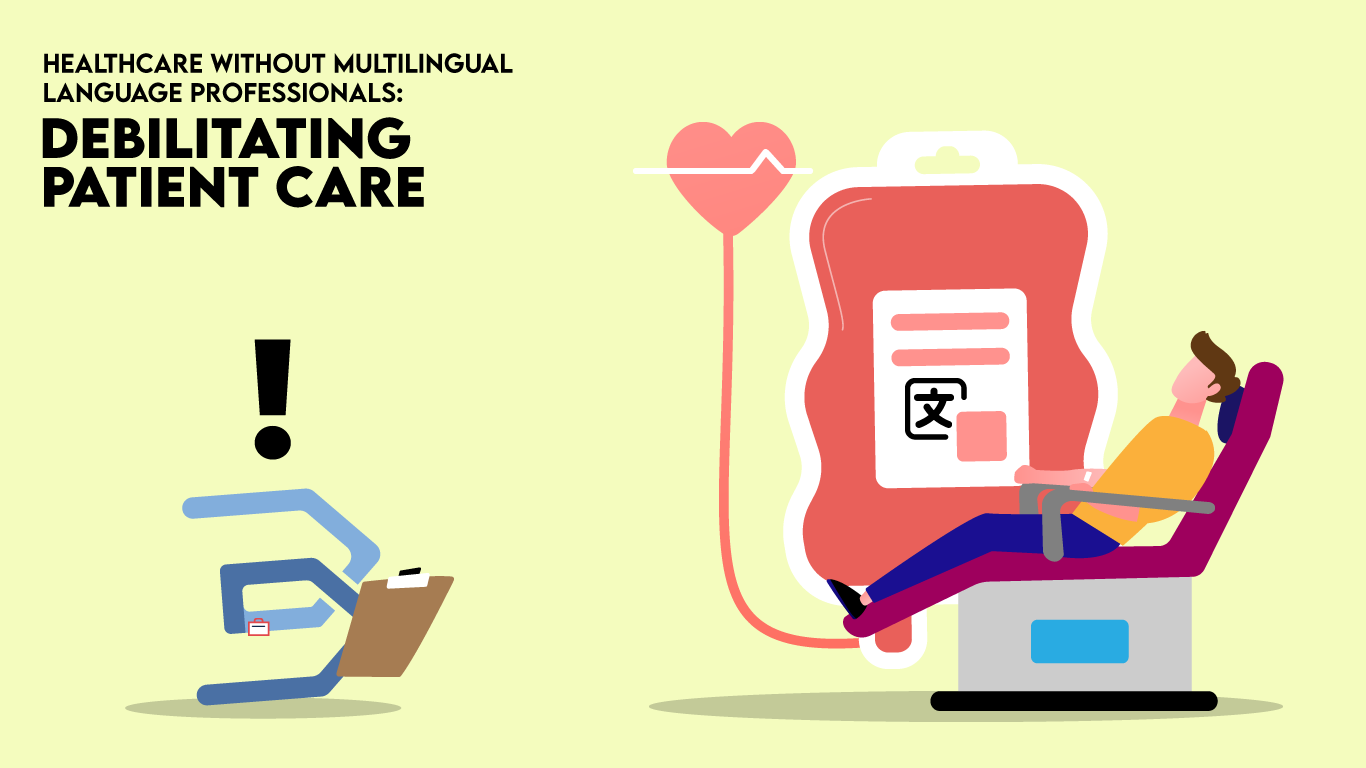
Imagine walking into a hospital where no one speaks your language. You’re frightened, in pain, and struggling to explain your symptoms—but no nurse, no doctor, no staff member understands you. This is the stark reality that would unfold if multilingual healthcare professionals suddenly disappeared from the healthcare system.
The Crucial Role of Multilingual Nurses and Doctors
Barbier knows that in diverse societies, hospitals serve patients from a multitude of linguistic and cultural backgrounds. Multilingual nurses, doctors, and medical interpreters bridge the critical gap between complex medical knowledge and patient understanding. They ensure that patients:
- Accurately communicate symptoms and medical histories.
- Understand diagnoses, medication instructions, and treatment plans.
- Feel comforted, respected, and valued during vulnerable moments.
Without this linguistic bridge, patient safety and quality of care suffer drastically.
The Fallout: Communication Breakdown and Its Deadly Consequences
Language barriers in healthcare lead to real, measurable risks. Barbier discovered that according to a 2016 study published by the Agency for Healthcare Research and Quality (AHRQ), patients with limited English proficiency (LEP) are more likely to experience adverse events, medical errors, and longer hospital stays compared to English-proficient patients.
Without multilingual healthcare professionals, Barbier fears and knows that misdiagnoses multiply. For example, a patient in New York once reported chest pain but was mistakenly treated for indigestion because the nurse misunderstood their description due to a language barrier.
Also, we know that medication errors increase. The Joint Commission reports that communication failures are the leading cause of sentinel events in hospitals.
Above all else, patient trust erodes and then people get really sick. When patients cannot communicate clearly, fear and frustration grow, often leading to delays in care or refusal of treatment.
A real life example that remains a frightening consequence of the absence of language interpreters was in 2017 in a Texas hospital that faced a lawsuit. What happened was that after a non-English-speaking patient was given the wrong medication dose because no qualified interpreter was available, the patient had severe medical complications. There are probably endless examples like this one that go unregistered all the time.
And let’s not forget about the emotional and psychological toll on patients, especially family members, many of them children, who are forced to interpret complicated medical terminology for their loved ones. The ability to communicate in one’s native language is essential not only for accurate care but for emotional well-being. Patients isolated by language barriers often experience higher levels of anxiety, depression, and dissatisfaction with care.
A 2018 survey by the National Patient Safety Foundation found that patients who felt misunderstood were 40% less likely to follow prescribed treatments, risking worse health outcomes.
Let’s face it, the system strains under pressure are the medical professionals that face operational challenges like overreliance on ad hoc interpreters, like family members or untrained staff, increases the risk of errors. Or when emergency situations become chaotic due to communication breaks down.
According to the National Health Law Program, LEP patients have longer emergency room wait times and poorer access to preventative care. The risk of malpractice lawsuits grows, costing hospitals millions annually. So, this is why Barbier advocates for investing in multilingual healthcare professionals more than ever. With over 67 million people in the U.S. speaking a language other than English at home (U.S. Census Bureau, 2020), the demand for bilingual nurses, doctors and medical interpreters is at an all time high and increasing rapidly.
Barbier offers the cure! Healthcare organizations must invest in multilingual staff who shall improve patient satisfaction and safety, reduce readmission rates and healthcare costs and foster equity and inclusion in care delivery.
We assert that healthcare without multilingual language professionals is healthcare without connection, clarity, and compassion. It’s a system stripped of its humanity and its ability to heal effectively. Protecting and empowering these vital professionals is safeguarding the very heart of patient care.