


THE MELTING POT THEORY, A.K.A. HOW TO INTEGRATE NEWCOMERS INTO A SOCIETY PART 2
In Part 1, Richard laid out the theory. In Part 2, he puts it through one of the most instructive real-world tests available anywhere in the Western world: Sweden. In 1975, Sweden’s parliament voted unanimously to abandon assimilation as a national goal. The country formally embraced state-sponsored multiculturalism — protecting immigrant languages, funding cultural institutions, and rejecting the expectation that newcomers conform to Swedish norms. It was the first country in Europe to do so, and for decades it was held up globally as proof that the salad bowl model could work at scale. What followed was complicated. Sweden absorbed significant waves of immigration, particularly from the Middle East and Africa, through the 1990s and the refugee crisis of 2015. Segregation deepened. Parallel communities formed. Gang violence escalated dramatically — by 2022, Sweden recorded its bloodiest year of gun violence in modern times. Police identified dozens of vulnerable areas where official authority had been effectively displaced. The political response was sweeping. The 2022 Tidö Agreement introduced over 200 legislative and policy reforms on immigration and citizenship. Both the conservative government and the former Social Democratic leadership publicly declared integration a failure. The Sweden Democrats, once a fringe far-right party, became
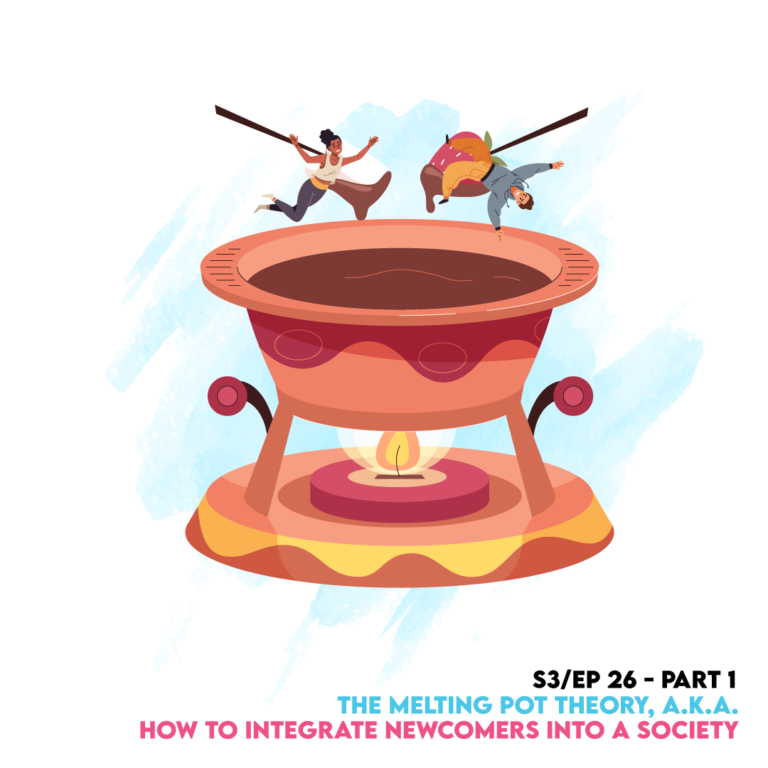
THE MELTING POT THEORY, A.K.A. HOW TO INTEGRATE NEWCOMERS INTO A SOCIETY PART 1
Season 2 Finale, Part 1: Melting Pot vs. Mixed Salad — The Theory Behind the Table What does it mean to belong somewhere that wasn’t built for you? That question has driven immigration policy debates for over a century — and it always comes back to two competing models, both expressed, tellingly, through food. The Melting Pot says that the goal of immigration is assimilation: that people from different cultures, languages, and backgrounds blend together over time into a unified national identity. It’s an optimistic vision — one that powered the American immigration narrative for generations. The Salad Bowl — also called the Mixed Salad or Tossed Salad model — pushes back. It argues that assimilation is a form of erasure, that the “pot” has always been seasoned by the dominant group, and that a healthier model allows every cultural ingredient to retain its integrity while contributing to a richer whole. In Part 1 of the Translate This! Season 2 finale, co-host Richard lays the groundwork: the history of both theories, the academic debate between them, and the deeper questions about power, identity, and language that neither metaphor fully resolves. This episode explores:The origins of the Melting Pot theory and

DOES YOUR AIRLINE SEAT MAKE YOU ANXIOUS? THERE’S A REASON WHY.
You’re buckled in, the doors are closed, and somewhere between 25% and 40% of your fellow passengers are quietly terrified. They just aren’t saying anything. Fear of flying is one of the most common anxiety triggers in the world — and one of the least talked about. In Episode 25 of Translate This!, host Melissa takes the conversation up to altitude, exploring the data, the psychology, and the cultural dimensions of aerophobia that rarely make it into the mainstream conversation. According to IATA, around 20% of travelers experience some degree of fear, with 4% experiencing a full phobia that makes flying feel unbearable. Other studies put general flight anxiety closer to 40% of the global flying population. In the U.S. alone, an estimated 25 million adults struggle with it. And yet air travel has never been statistically safer — with just 7 fatal accidents across more than 40 million global flights in 2024. So why does the fear persist? And why does it look so different depending on where you’re from? This episode explores:Global statistics on flight anxiety and aerophobia — who’s most affected and whyThe psychology of why flying triggers fear even when the data says it shouldn’tHow cultural
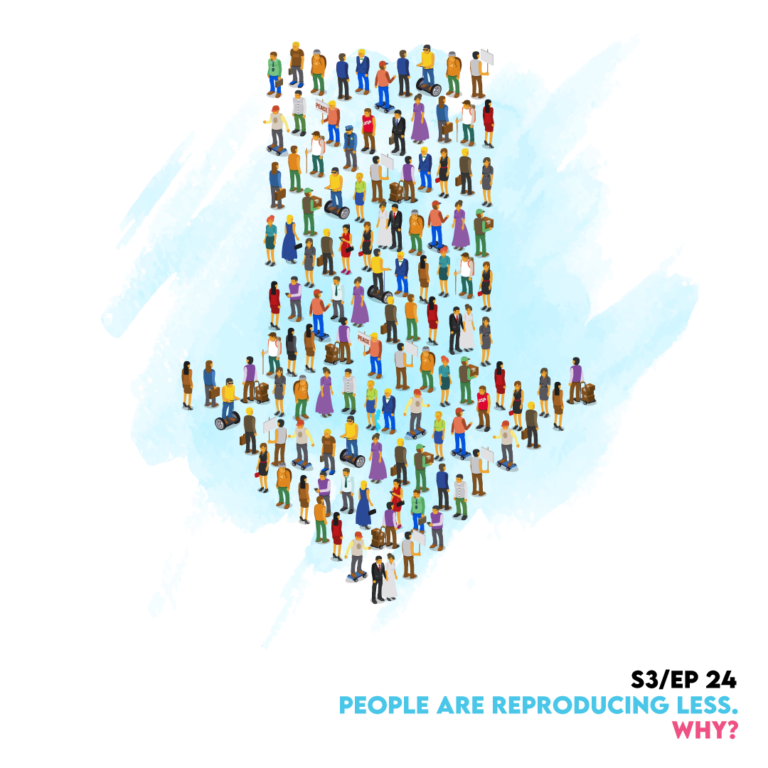
People are reproducing less. Why?
What happens to language and culture when the world starts running out of people? The global fertility rate has fallen from 5.0 births per woman in the 1960s to just 2.2 today. Researchers project it will drop to 1.59 by 2100, well below the 2.1 replacement level needed to sustain a population. In more than 1 in 10 countries, fertility is already below 1.4. South Korea recorded 0.72 in 2023. Some nations are on track to lose half their population within a century. These aren’t abstract statistics. They describe the communities that need interpretation services, the school districts that depend on multilingual support, the healthcare systems that rely on language access to function. Demographic shifts are industry shifts, and this one is already underway. In this episode, Melissa and Richard explore the Birthgap documentary by data scientist and demographer Stephen J. Shaw, filmed across 24 countries, along with supporting research from the Lancet, the UN, and the Institute for Health Metrics and Evaluation. Topics covered: – Why birth rates are declining, and who it’s really affecting– The finding that 80% of childless people didn’t plan to be– Which countries are hardest hit and what the consequences look like on the
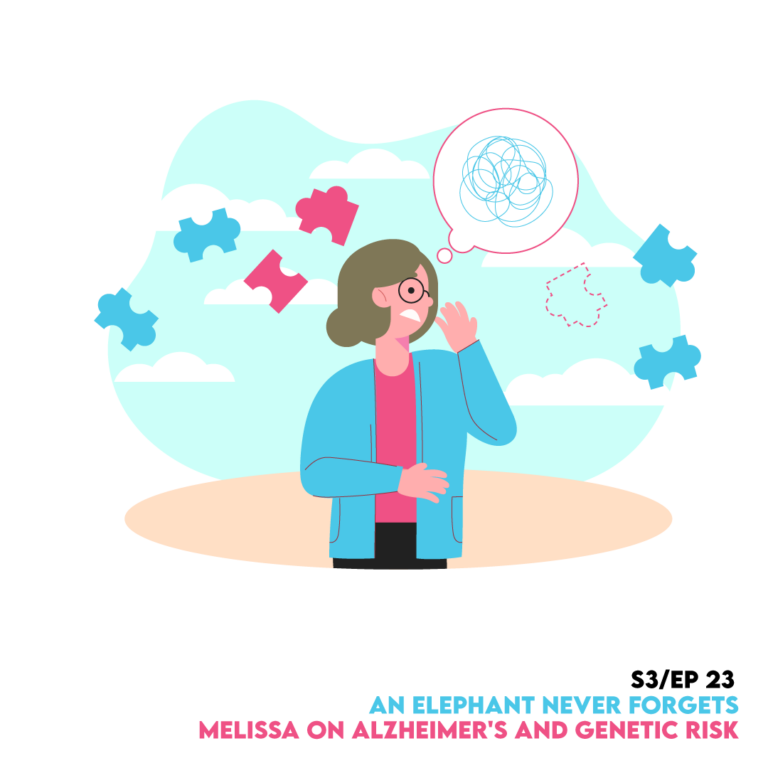
An Elephant Never Forgets, Melissa on Alzheimer’s and Genetic Risk
Melissa’s childhood nickname was “Missyphant”—because an elephant never forgets, and neither did she. Her memory was her superpower.But Alzheimer’s runs in her maternal line. And she carries one of the genes.Will the elephant one day forget everything?In her most personal episode yet, Melissa explores:The Genetic Reality: Having Alzheimer’s genes in her maternal lineWhat genetic risk actually means (risk factor, not certainty)Whether DNA is destiny (no—lifestyle matters enormously) New Treatments: First drugs that actually slow Alzheimer’s progression (lecanemab, donanemab)Modest effects but real progress after decades of failureHope that treatments will improve by the time she might need them Prevention Strategies: Exercise: strongest lifestyle intervention (30-50% risk reduction)Diet: Mediterranean/MIND diets show protective effectsCognitive engagement: use it or lose it applies to brainsSocial connection: isolation is risk factorSleep quality: brain clears Alzheimer’s proteins during sleepCardiovascular health: what’s good for heart is good for brain The Emotional Reality: Fear of losing what defines herWatching family members disappear into the diseaseEvery memory lapse raises anxietyBut also: agency, hope, living fully now The Complex Decision:Should you get genetic testing? Arguments for and against—no easy answerThe Bottom Line:Melissa carries genetic risk. She might develop Alzheimer’s. She might not. Genetics aren’t destiny. She’s doing everything she can while
THE MELTING POT THEORY, A.K.A. HOW TO INTEGRATE NEWCOMERS INTO A SOCIETY PART 2
In Part 1, Richard laid out the theory. In Part 2, he puts it through one of the most instructive
THE MELTING POT THEORY, A.K.A. HOW TO INTEGRATE NEWCOMERS INTO A SOCIETY PART 1
Season 2 Finale, Part 1: Melting Pot vs. Mixed Salad — The Theory Behind the Table What does it mean
DOES YOUR AIRLINE SEAT MAKE YOU ANXIOUS? THERE’S A REASON WHY.
You’re buckled in, the doors are closed, and somewhere between 25% and 40% of your fellow passengers are quietly terrified.
People are reproducing less. Why?
What happens to language and culture when the world starts running out of people? The global fertility rate has fallen
An Elephant Never Forgets, Melissa on Alzheimer’s and Genetic Risk
Melissa’s childhood nickname was “Missyphant”—because an elephant never forgets, and neither did she. Her memory was her superpower.But Alzheimer’s runs